March 25, 2020

March 25, 2020 It’s been an interesting few weeks. Like many folks, I’m trying to work from home while keeping my kids busy. I’m fortunate to have a job that allows me to work at home, so I can continue […]
February 17, 2020
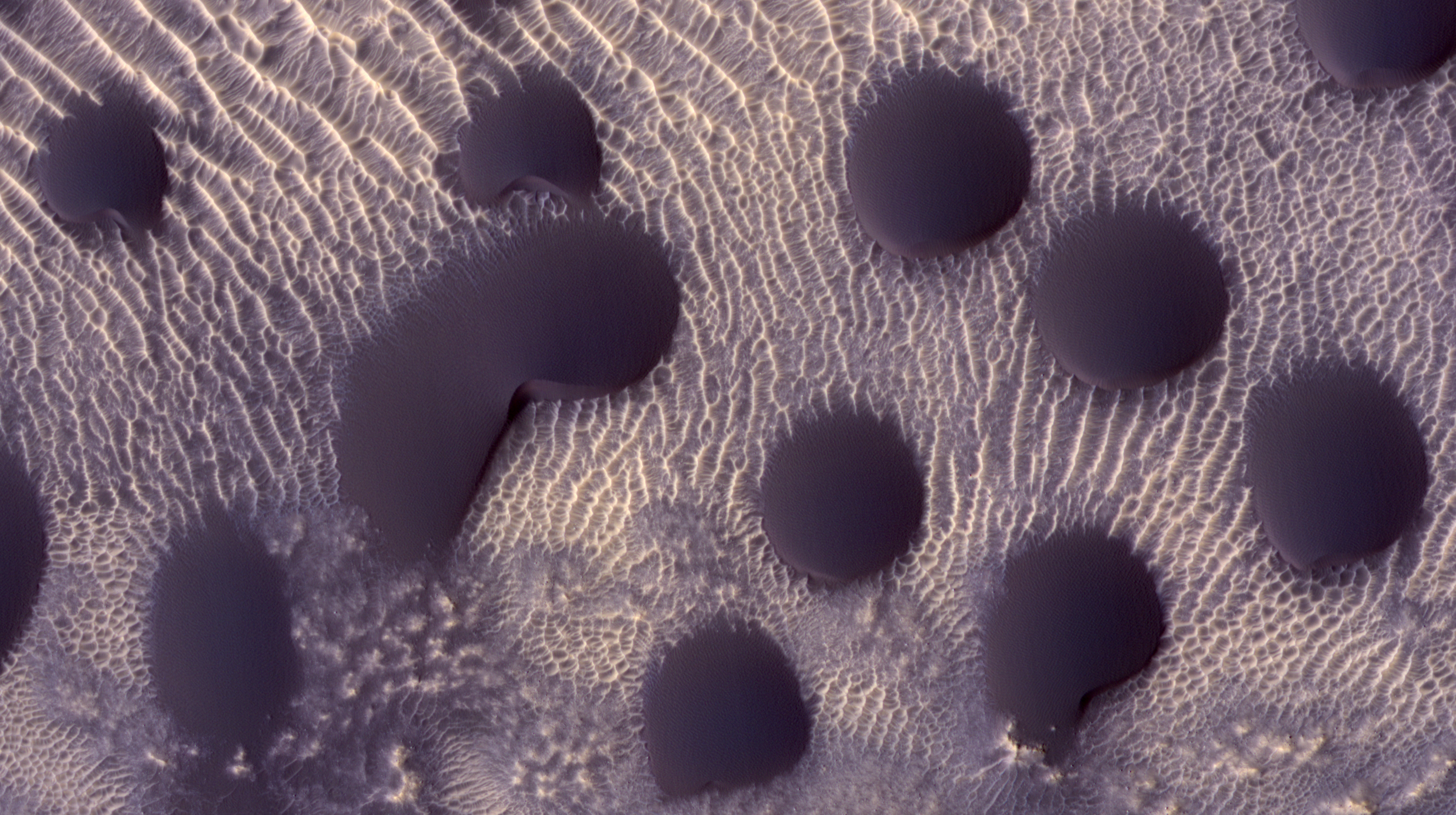
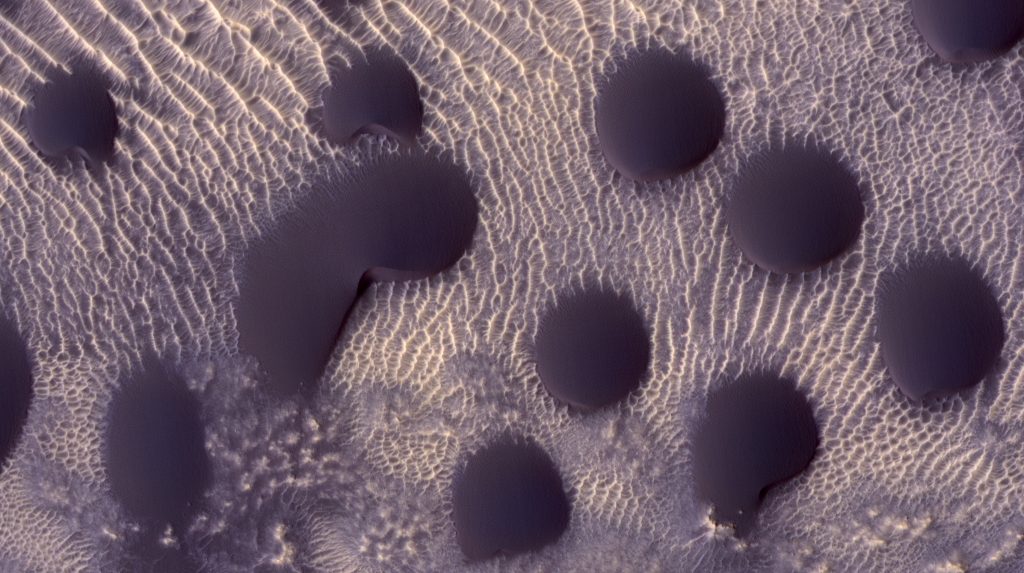
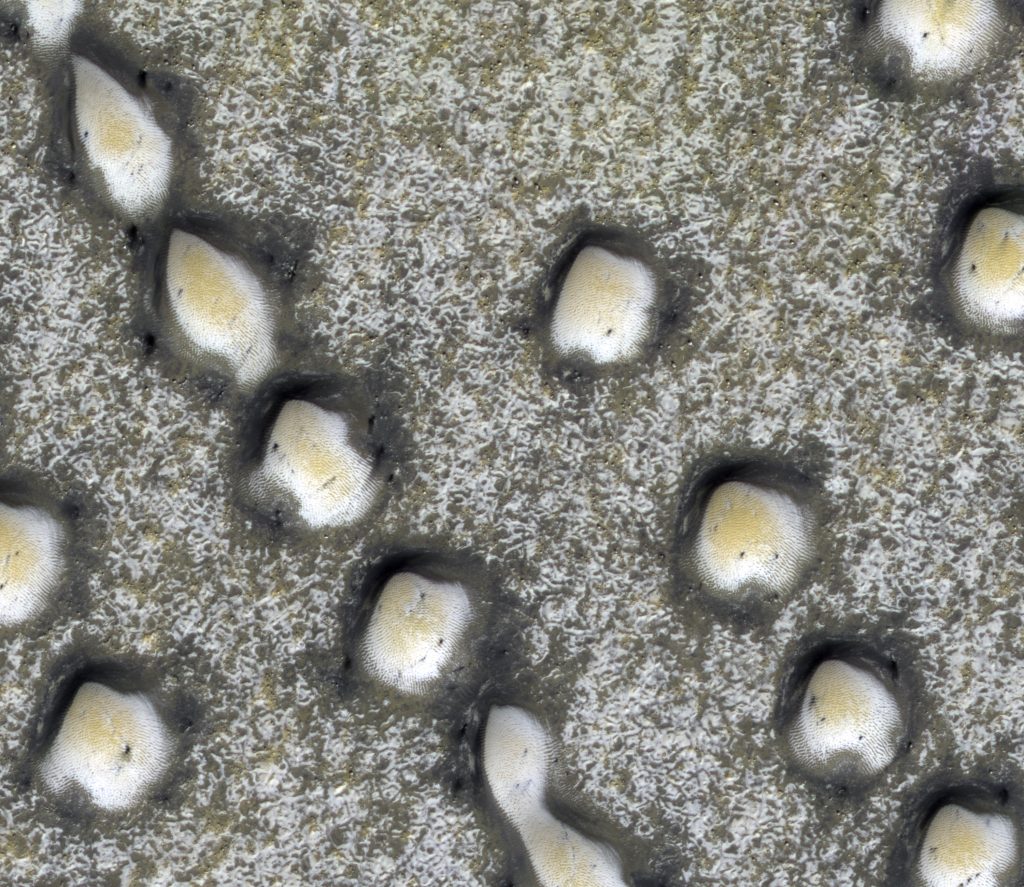
Feb. 17, 2020 I’ve been busy but I wanted to squeeze in a quick pretty picture of some Mars dunes. These: These dark hills of windblown sand are on the small side for Mars. The smallest is ~88 m (288 […]
November 11, 2019

Nov. 11, 2019 It’s Veterans Day in the US today. For some it’s another day of work. For others it’s a day to spend with the family. For most, we honor those who have served in our armed forces. I’m […]
October 1, 2019
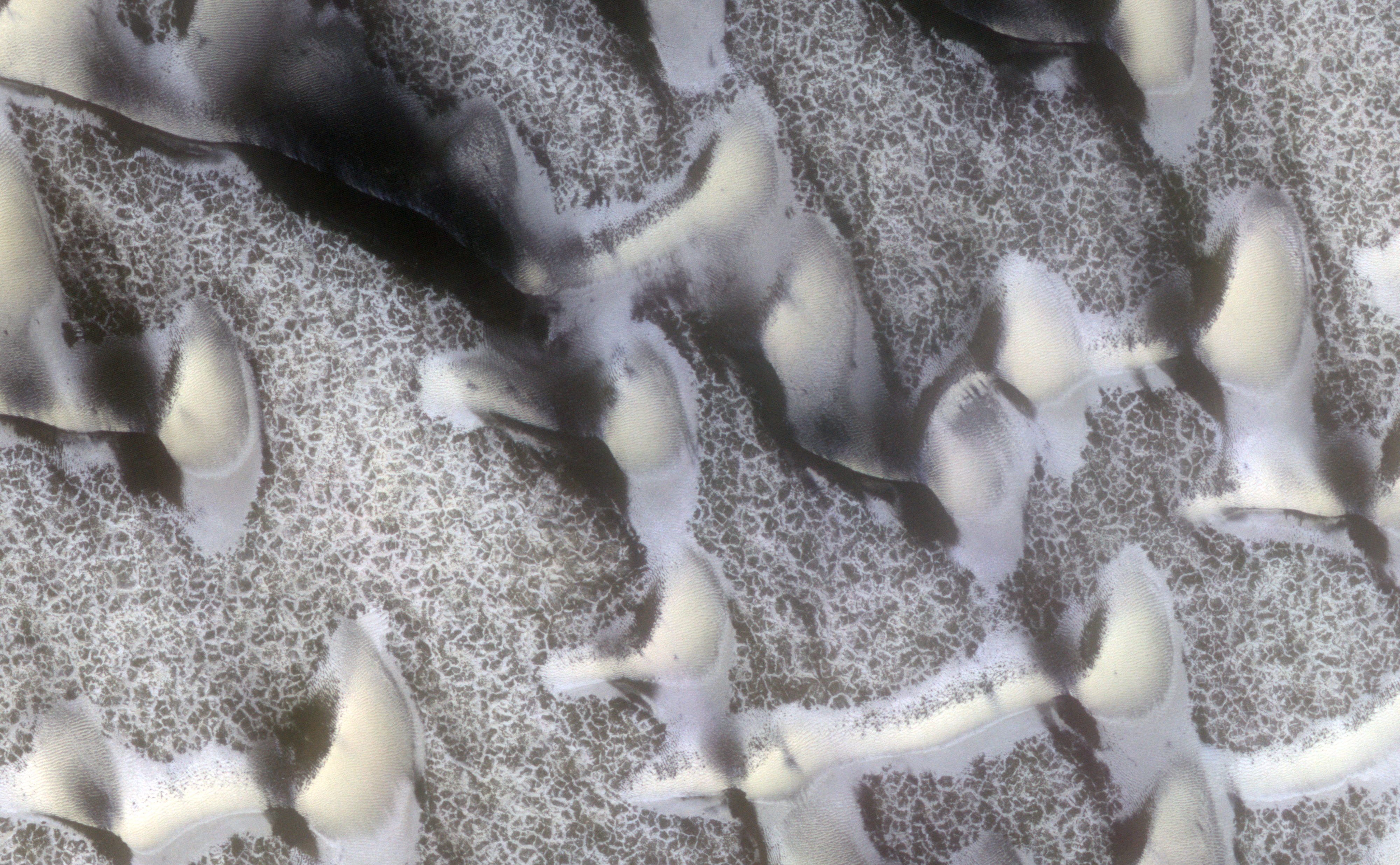
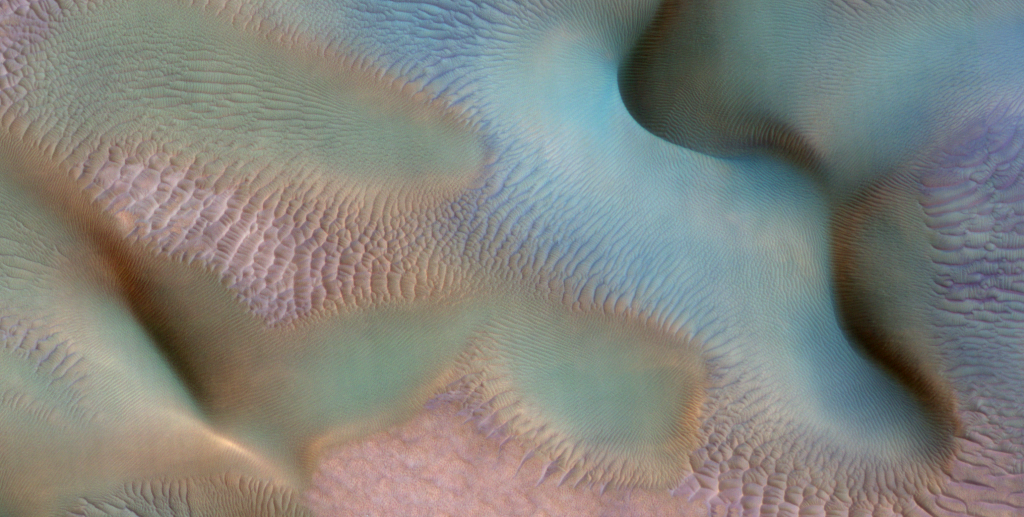
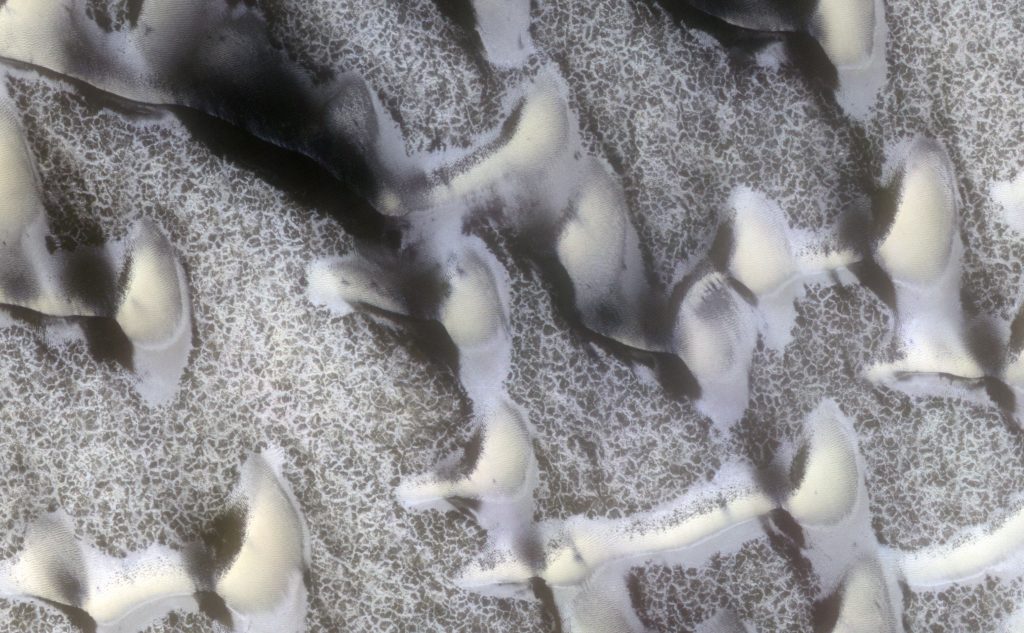
Oct. 1, 2019 It’s spring in the northern hemisphere on Mars. Actually, as of today, it’s pretty close to northern summer solstice, but the recent crop of released HiRISE images mostly come from the spring season. Northern polar dunes on […]
August 28, 2019
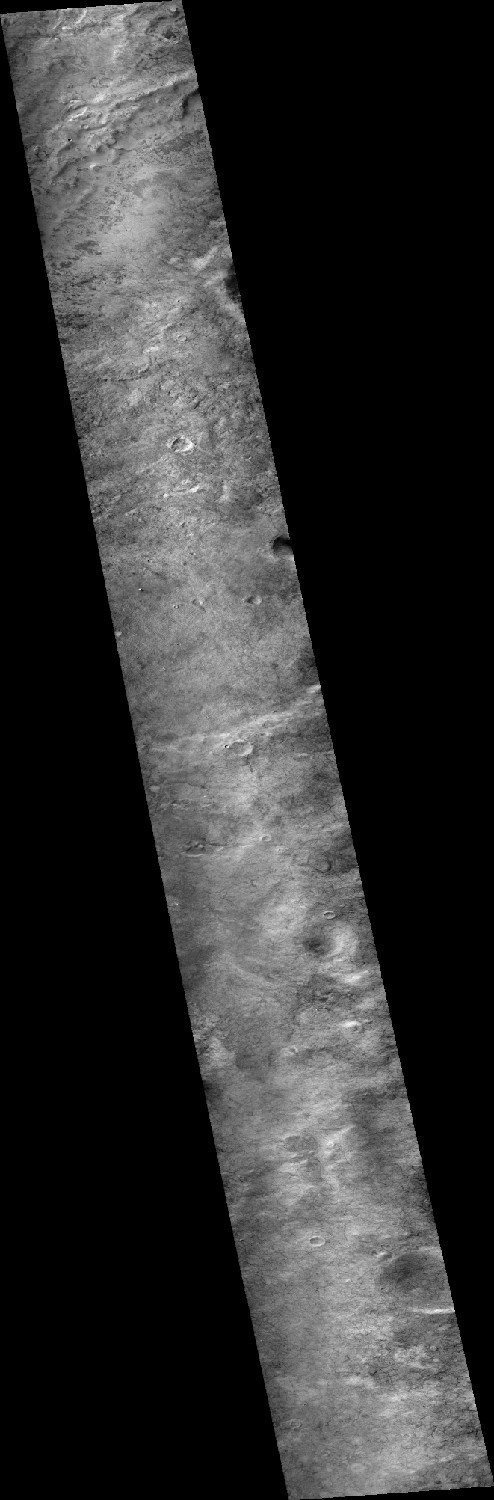
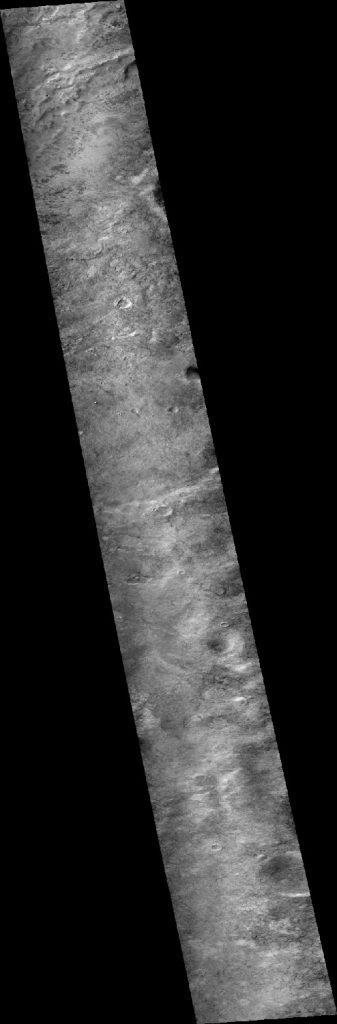
Aug. 28, 2019 So I was wasting time looking for dune fields on Mars and I came across a great CTX image that’s just riddled with dust devil tracks. Most of the time that’s all you see, but sometimes you […]
August 22, 2019

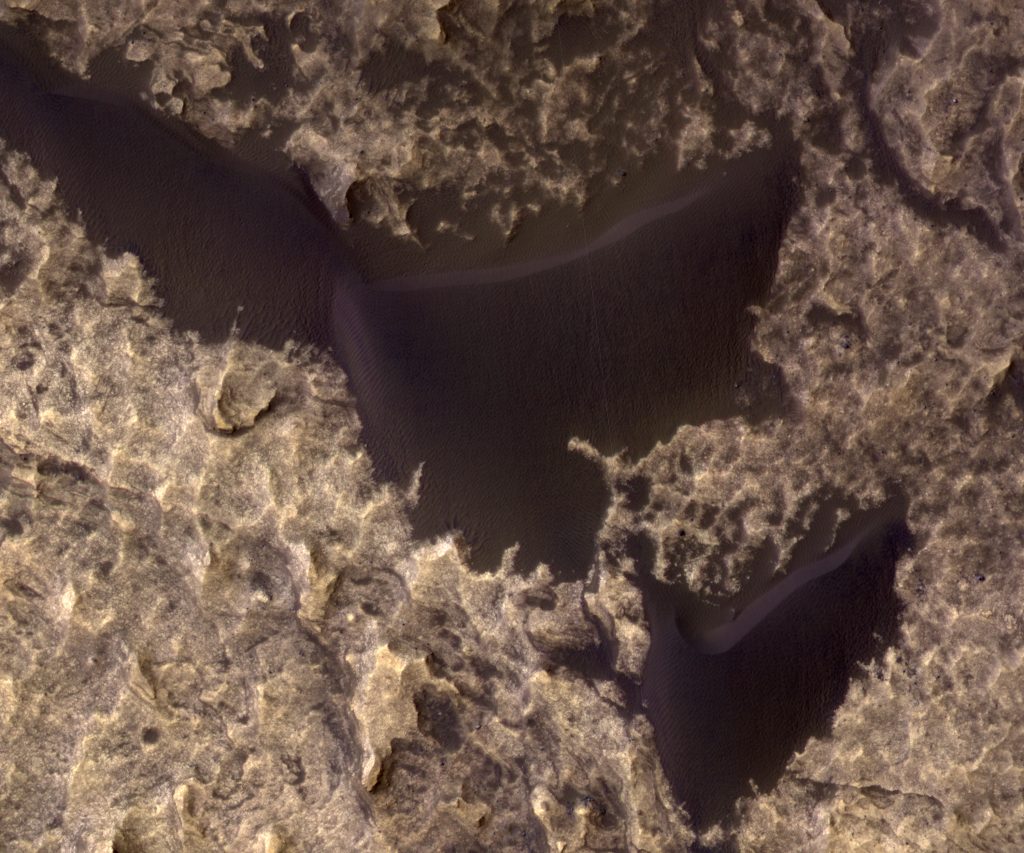
Aug. 22, 2019 Yeah, yeah, I should be working. But I had to do this. I found a heart❤️ on Mars made by dust devils: The wind blows dust devils around, so sometimes they meander this way and that. […]
August 21, 2019

Aug. 21, 2019 Trolling through the HiRISE image catalog, I came across some dunes that look a bit like bacteria. (Well okay, they look like some sort of microbe to my eye, which is highly untrained in looking at microbes, […]
August 5, 2019
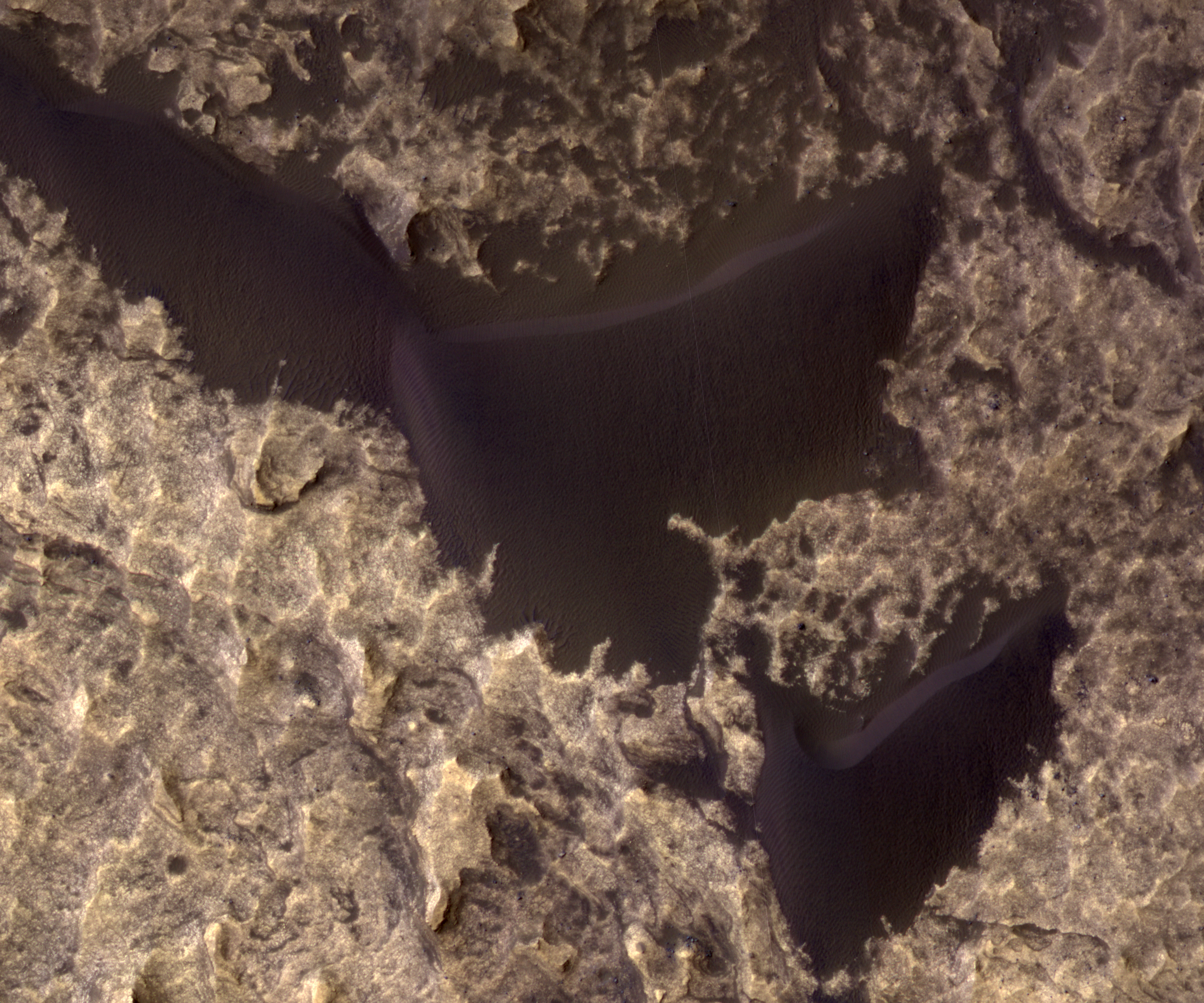
August 5, 2019 It’s been a while since I posted anything. Not because I didn’t want to, but because I’m involved in so many projects that many things I love are being shoved aside for whatever has to be dealt […]
July 11, 2019
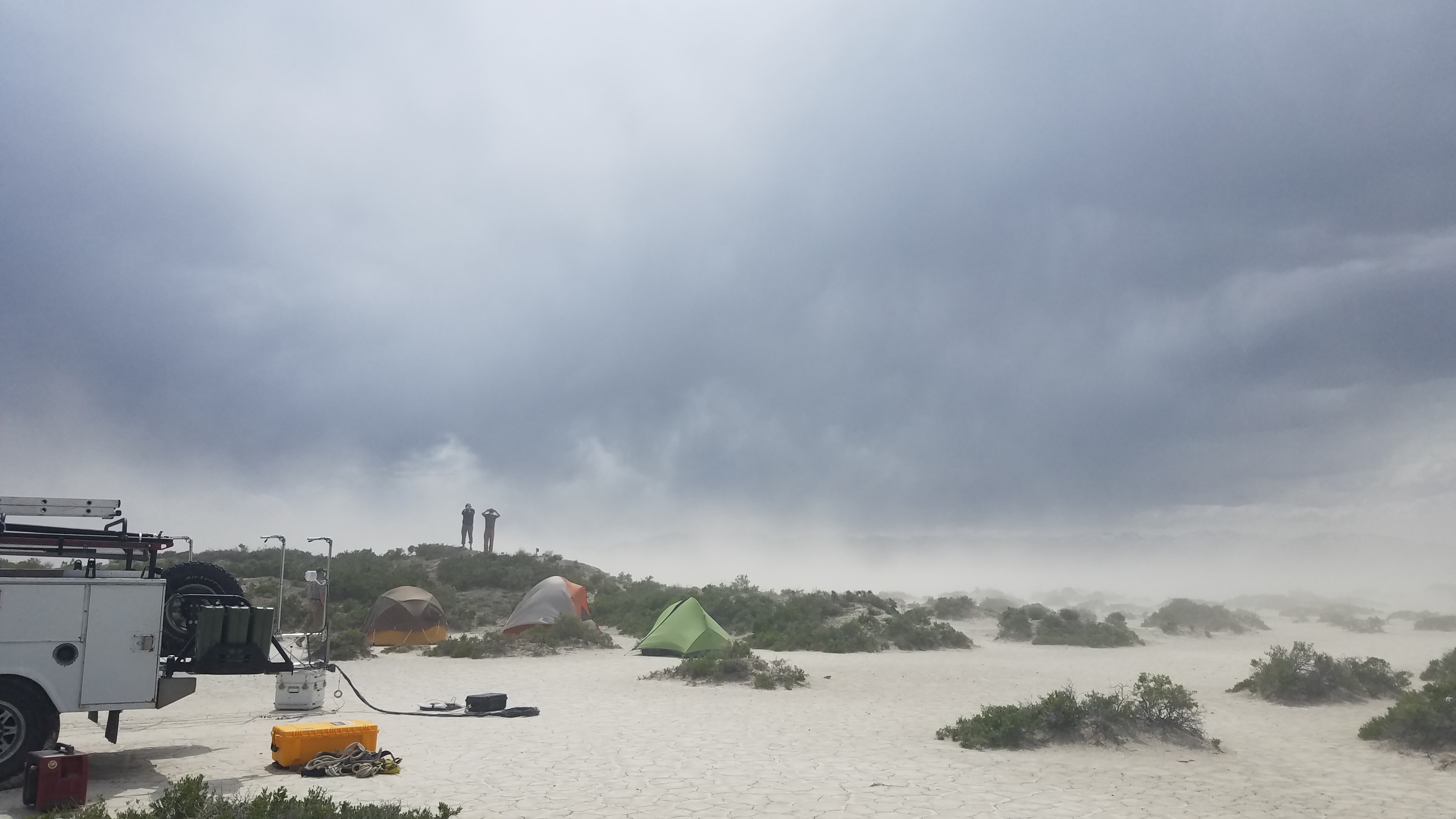
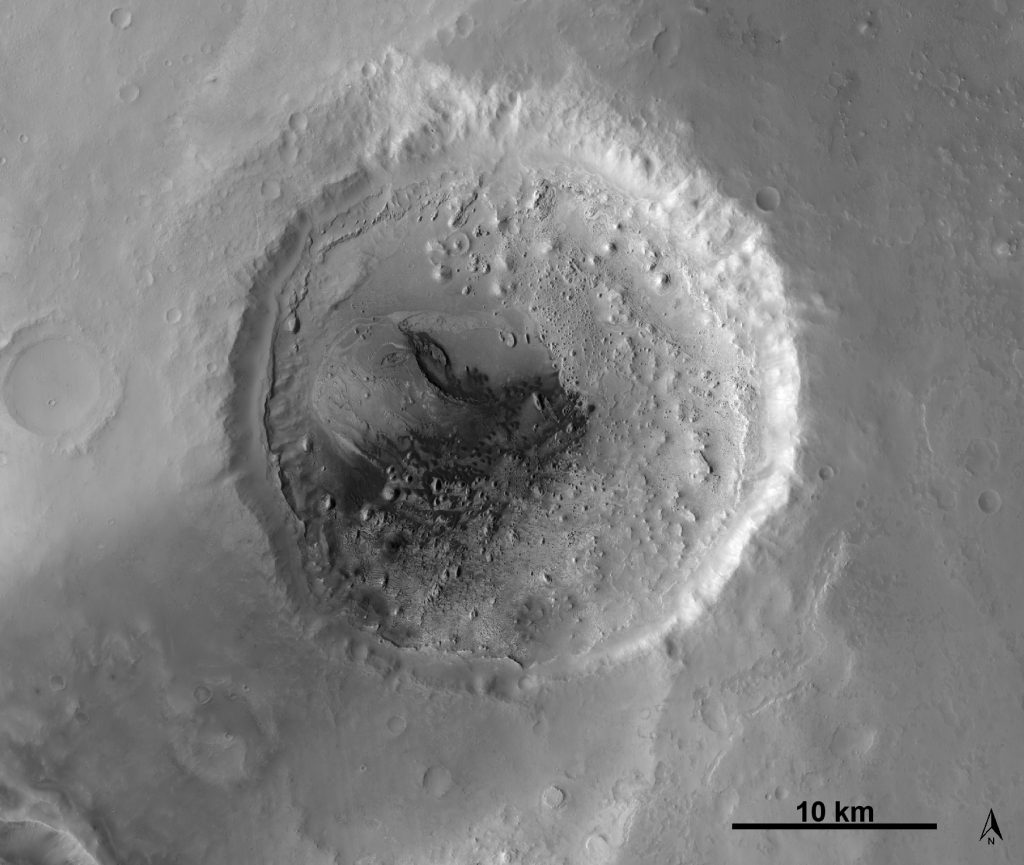
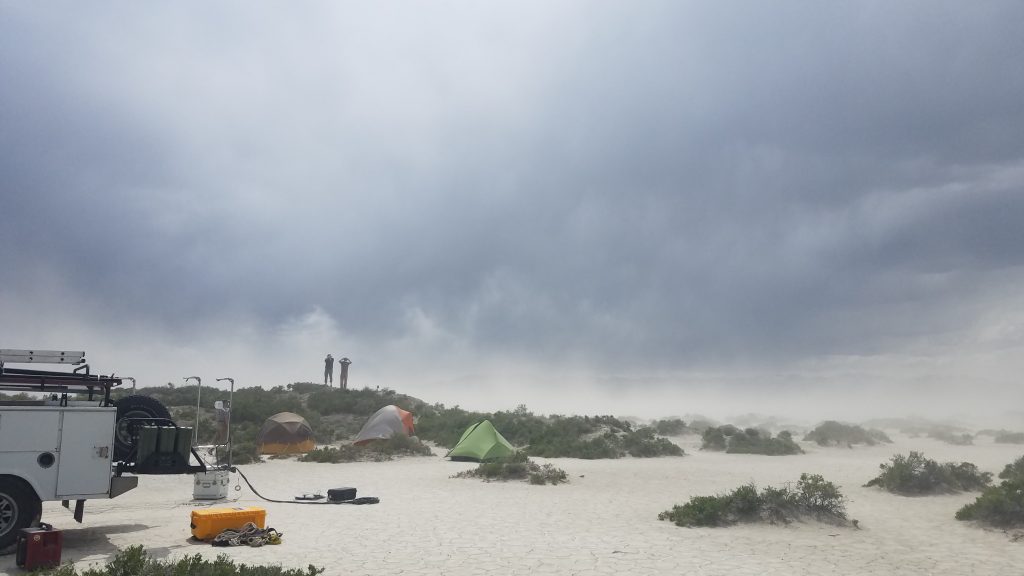
July 11, 2019 This is Part 5 of a series on my dust devil fieldwork in 2019 (see Part 1 | Part 2 | Part 3 | Part 4). We came back home a couple of weeks ago. I’d say […]